
 中文 (中国)
 Tiếng Việt
 日本語
 한국어

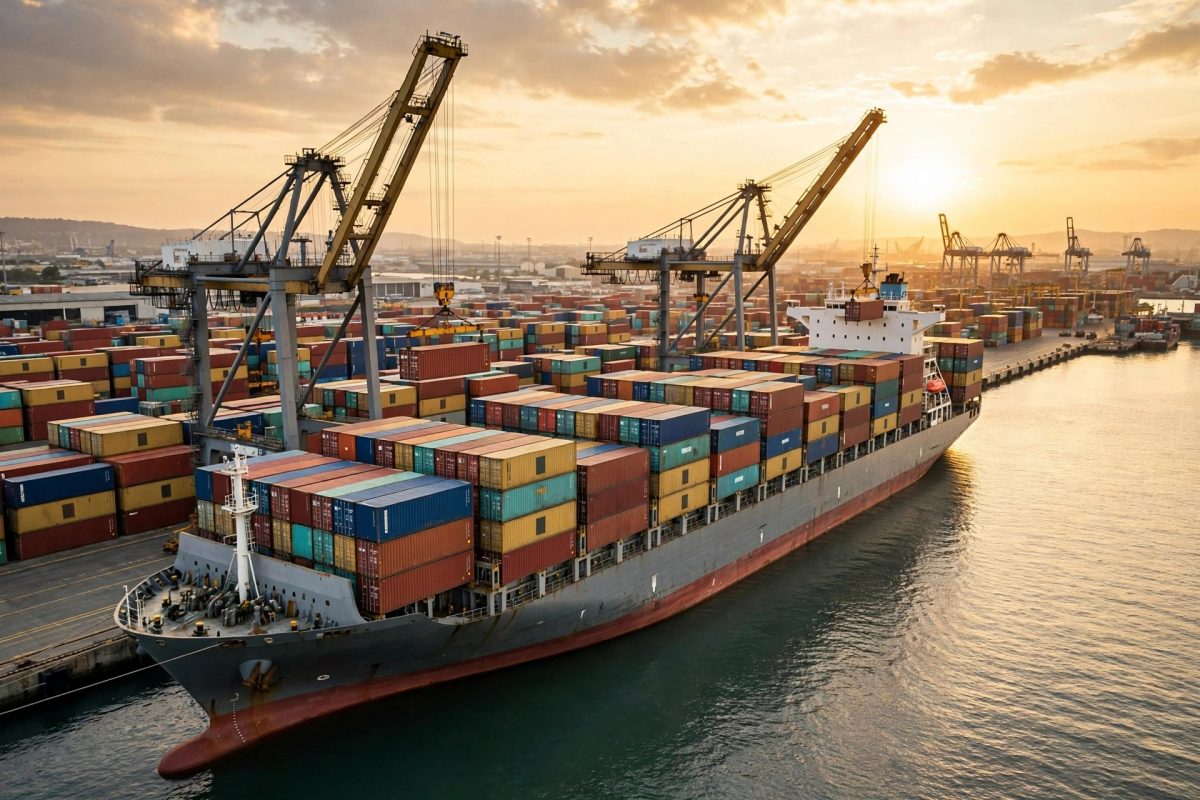
In international trade, buyers and sellers are usually located in different countries. To avoid disputes over delivery obligations, costs, and risks, the global business community uses Incoterms (International Commercial Terms), published by the International Chamber of Commerce (ICC). Below is an overview of the 11 delivery terms under Incoterms 2020 — the latest version in force today.
What Are Incoterms 2020?
Incoterms are a unified set of rules for interpreting international commercial terms, first introduced in 1936 and revised periodically. Incoterms 2020 (effective from 01/01/2020) comprises 11 terms that clearly define:
- Which party contracts the main carriage and buys cargo insurance.
- Which party handles export and import customs clearance and bears related duties and taxes.
- The point at which the risk of loss or damage transfers from seller to buyer.
- How loading, packing, and delivery are arranged.
Note: Incoterms do not govern prices, payment methods, transfer of title, or remedies for breach of contract — these remain governed by the sales contract and applicable law.
The 11 Terms in 4 Groups
The ICC divides the 11 terms into four groups, by the seller’s increasing level of obligation — from Group E (minimum) to Group D (maximum).
Group E — Departure
EXW — Ex Works: The seller only makes the goods available at their own premises. The buyer bears all costs and risks from the moment of taking delivery.
Group F — Main Carriage Unpaid
- FCA — Free Carrier: The seller delivers the export-cleared goods to the carrier at the agreed place. Suitable for all modes of transport; the ICC recommends it over FOB for containerized cargo.
- FAS — Free Alongside Ship: The seller places the goods alongside the ship at the named port of shipment; risk transfers at that moment. Sea and inland waterway transport only.
- FOB — Free On Board: The seller delivers the goods once loaded on board the vessel at the named port of shipment, export-cleared. From then on, all costs and risks rest with the buyer. Sea and inland waterway transport only.
Group C — Main Carriage Paid
The seller contracts and pays for the main carriage (and insurance, where applicable), but risk still transfers to the buyer at the delivery point in the country of export — the most commonly misunderstood feature.
- CFR — Cost and Freight: The seller pays freight to the named port of destination; risk transfers once the goods are loaded on board at the port of shipment. Sea and inland waterway transport only.
- CIF — Cost, Insurance and Freight: As CFR, but the seller must also procure cargo insurance at the minimum level. Risk still transfers at the port of shipment. Sea and inland waterway transport only.
- CPT — Carriage Paid To: The seller pays freight to the named place of destination; risk transfers when the goods are handed over to the first carrier. All modes of transport.
- CIP — Carriage and Insurance Paid To: As CPT, with the seller’s added insurance obligation. Incoterms 2020 raised the minimum insurance for CIP to Clause A (all risks), above the Clause C minimum under CIF. All modes of transport.
Group D — Arrival
- DPU — Delivered at Place Unloaded: The seller delivers the goods once unloaded from the arriving vehicle at the named place of destination. New in Incoterms 2020, replacing DAT from the 2010 edition. All modes of transport.
- DAP — Delivered at Place: The seller delivers the goods when ready for unloading at the named place of destination, on the arriving vehicle. The buyer handles import clearance and pays import duties. All modes of transport.
- DDP — Delivered Duty Paid: Maximum seller obligation: delivery at the named destination, import-cleared, with all import duties and taxes paid. The buyer essentially only receives the goods.
Key Points When Applying Incoterms 2020
- Always name the version: Write the term in full, e.g. “FOB Cat Lai Port Incoterms 2020” — omitting the version may cause disputes over whether the 2010 or 2020 edition applies.
- Match the term to the mode of transport: FOB, FAS, CFR, and CIF are for sea and inland waterway transport only; for containerized cargo, prefer FCA, CPT, or CIP.
- Distinguish the risk transfer point from the cost point: Under Group C, the seller pays freight but risk has already passed to the buyer at the port of shipment.
- Insurance obligations: Only CIF and CIP oblige the seller to procure insurance; under the other terms, either party arranges cover as needed.
- Not a substitute for the contract: Incoterms are only one part of the sales contract; payment, inspection, and claims must still be agreed separately.
Conclusion
A solid grasp of the 11 Incoterms 2020 terms helps businesses clearly allocate responsibilities, costs, and risks in every transaction, negotiate with confidence, and reduce disputes. When in doubt, consult a professional freight forwarder to choose the delivery term best suited to your goods and shipping route.
Contact us
For advice on choosing the right delivery terms for your shipment, please contact: Hotline: +84-24-3266 6008 · Email: hanoi@vica.vn
