
 中文 (中国)
 Tiếng Việt
 日本語
 한국어


Cross-border e-commerce is booming globally. Consumers today can easily order products from another country with a few taps on their phones, and expect to receive them in the shortest possible time. This trend opens up enormous opportunities for Vietnamese businesses to bring their products to world markets. Logistics – from warehousing and transport to customs procedures – is the key that determines the success of cross-border selling.
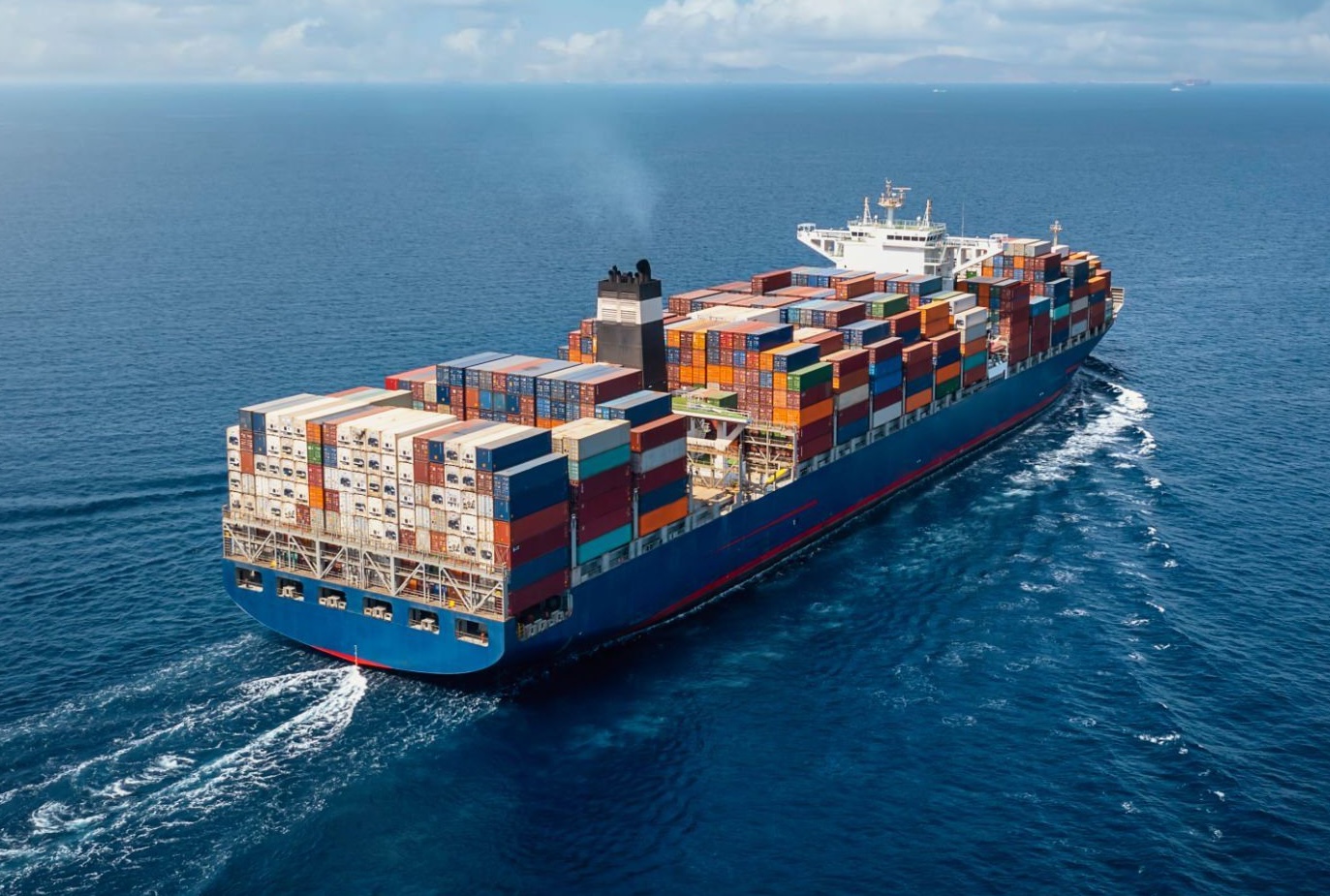
The fulfillment model for e-commerce goods
Unlike traditional exports in large batches, cross-border e-commerce is characterised by a high volume of orders, each of small value and size. The fulfillment model was born to solve this challenge: goods are stored in advance at warehouses in the destination market or at transit hubs; when an order arrives, the warehouse packs and ships it to the buyer immediately.
The biggest advantage of fulfillment is significantly shorter delivery times, helping sellers compete on equal footing with local rivals on speed. This model is especially suitable for businesses with a stable order volume in a given market that want to improve the customer shopping experience. However, businesses need to carefully calculate storage costs and manage inventory to avoid tying up capital.
Cargo consolidation to optimise costs
For sellers without enough volume to rent warehouses abroad, cargo consolidation is an effective solution. Instead of shipping each small order individually at high cost, multiple orders are grouped into larger shipments for joint transport, significantly reducing the shipping cost per order.
The key to consolidation lies in flexible schedules and the ability to combine multiple transport modes. Less urgent goods can travel by sea to save costs, while time-critical orders are prioritised by air. Choosing a logistics provider with a strong consolidation network and stable sailing/flight frequencies helps sellers control costs while ensuring on-time delivery to customers.

Customs procedures for e-commerce goods
Customs procedures are the step that worries new sellers most when entering cross-border e-commerce. In practice, if documents are fully prepared and declarations are accurate, goods will clear customs smoothly.
Key points to note include: declaring the correct goods description, HS code and dutiable value; preparing complete commercial invoices and related documents; and researching the destination country’s regulations for each product group, as each market has different requirements on labelling and quality inspection. Where goods qualify for tariff preferences under trade agreements, a valid certificate of origin (C/O) will significantly reduce import duty costs.
Businesses should work with a customs brokerage experienced in e-commerce goods to receive advice on suitable HS codes and timely handling of arising issues.
Tips for sellers
Beyond logistics and procedures, sellers need to focus on several factors to win over international customers. First is packaging: parcels must be sturdy enough to withstand multi-leg international transport while reflecting brand professionalism.
Second, publish realistic delivery times rather than overpromising. International customers are willing to wait if informed clearly from the start, but will be disappointed if goods arrive later than promised. Third, build a transparent returns policy, as this is a major psychological barrier when buying cross-border.
Finally, providing order tracking codes and maintaining a fast-responding customer service channel – ideally in the destination market’s language – will help sellers build lasting credibility.
Cross-border e-commerce is a playground full of potential, but it also demands thorough logistics preparation. Businesses with well-planned warehousing, transport and customs strategies will make the most of this opportunity to reach international markets.
Contact us
Need advice on logistics solutions? VICA Logistics – Hotline: +84-24-3266 6008 | Email: hanoi@vica.vn
