
 中文 (中国)
 Tiếng Việt
 日本語
 한국어

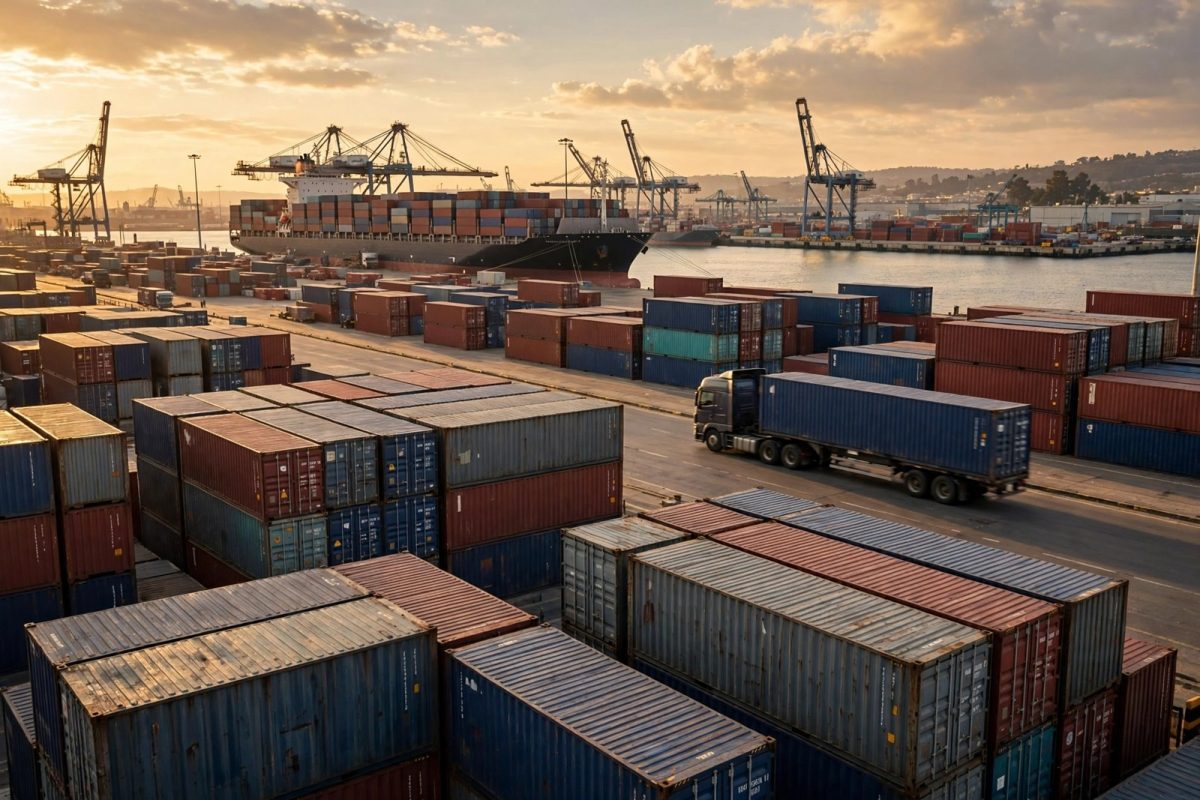
Door to door and port to port are two common delivery models in international shipping. Understanding the difference helps businesses choose the right option, control costs and avoid unnecessary risks.
Author Archives: vicalogistics

09
Nov
Nov
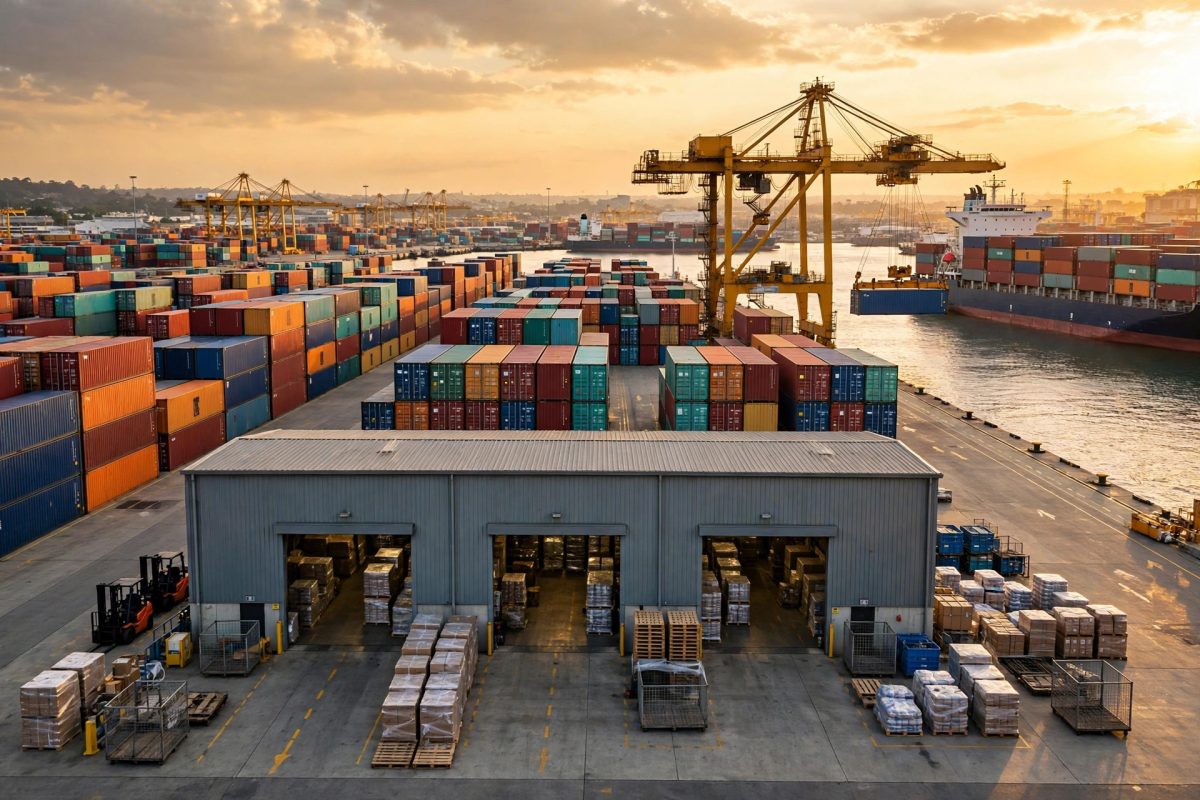
When sea freight is too slow and air freight is too expensive, many import and export businesses are turning to an option in between: international intermodal rail freight. This is the movement of goods by rail across borders, usually combined with road or sea transport for the first and last legs, forming a continuous door-to-door […]
08
Nov
Nov
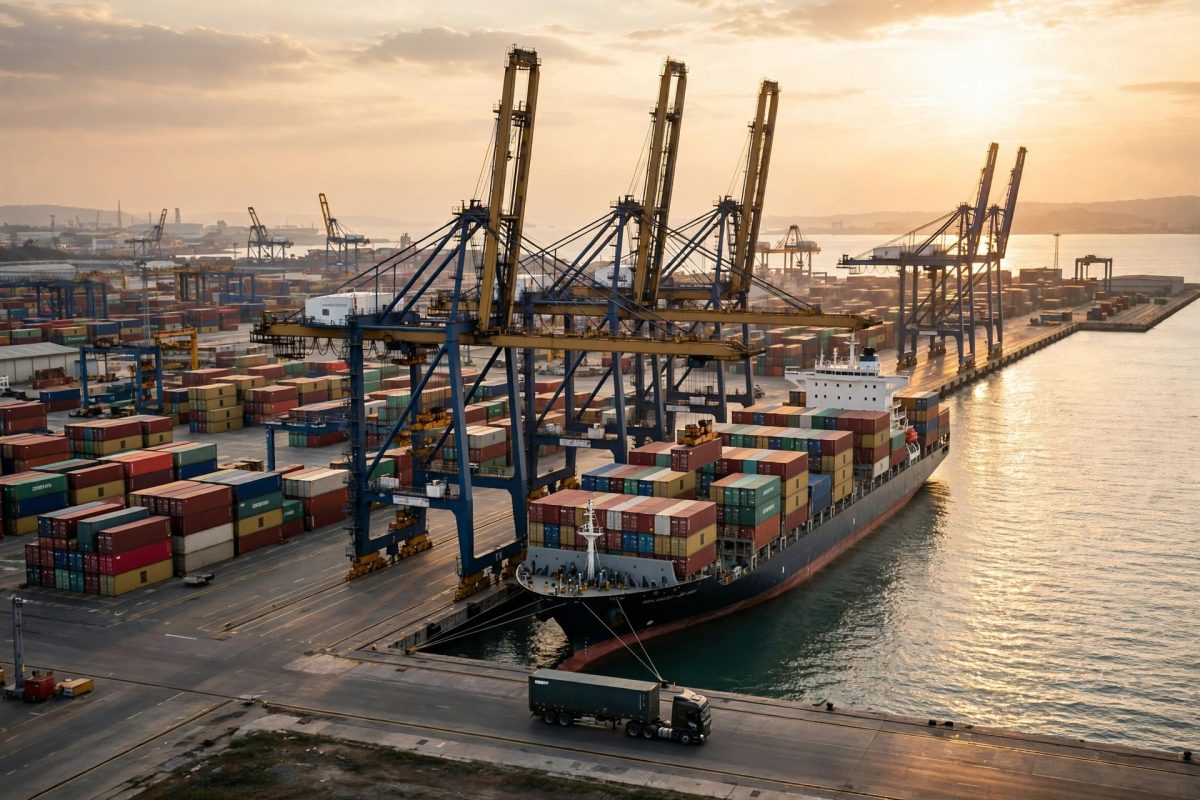
When receiving an ocean freight quotation, many import and export businesses are surprised to find that, in addition to the ocean freight itself, there are several extra charges — the most common being THC and CFS. What are these two charges, who pays them, and how can they be controlled? This article explains them so […]
07
Nov
Nov
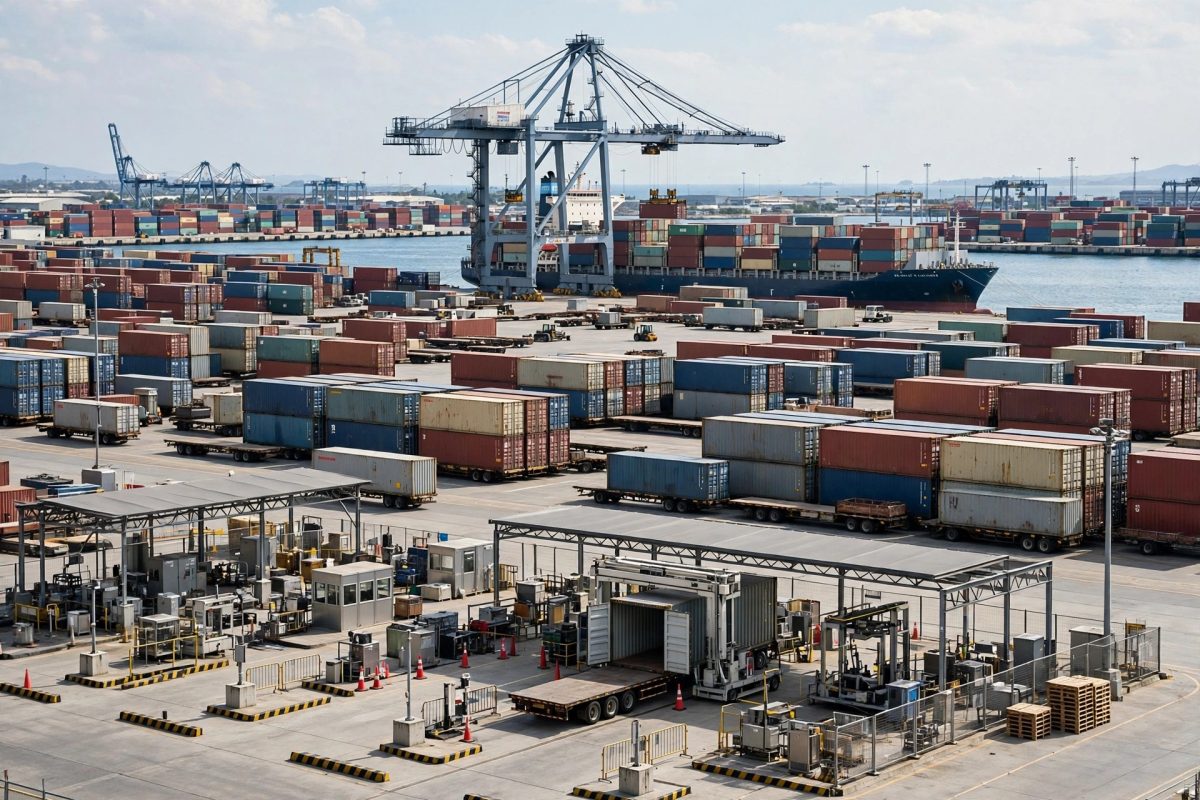
Demurrage and detention are among the most common extra charges in ocean container shipping — and the most commonly confused. This article explains the difference between the two, why the charges arise, and what businesses can do to avoid them.
25
Oct
Oct
VNACCS has changed how importers and exporters declare and clear goods in Vietnam. This article explains how the system works, what businesses should prepare, and the common mistakes to avoid.
24
Oct
Oct
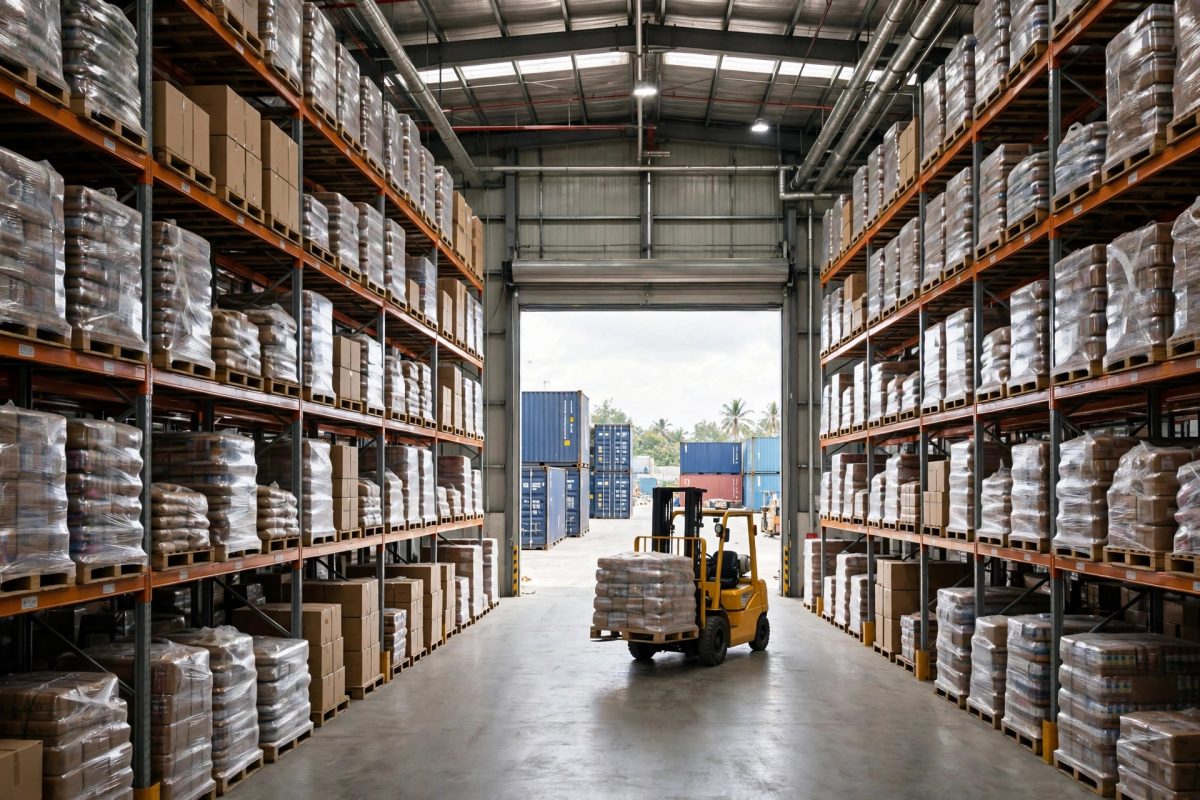
A bonded warehouse lets importers defer duty, stay flexible with distribution plans and simplify transhipment. Here is when to use one.
15
Oct
Oct
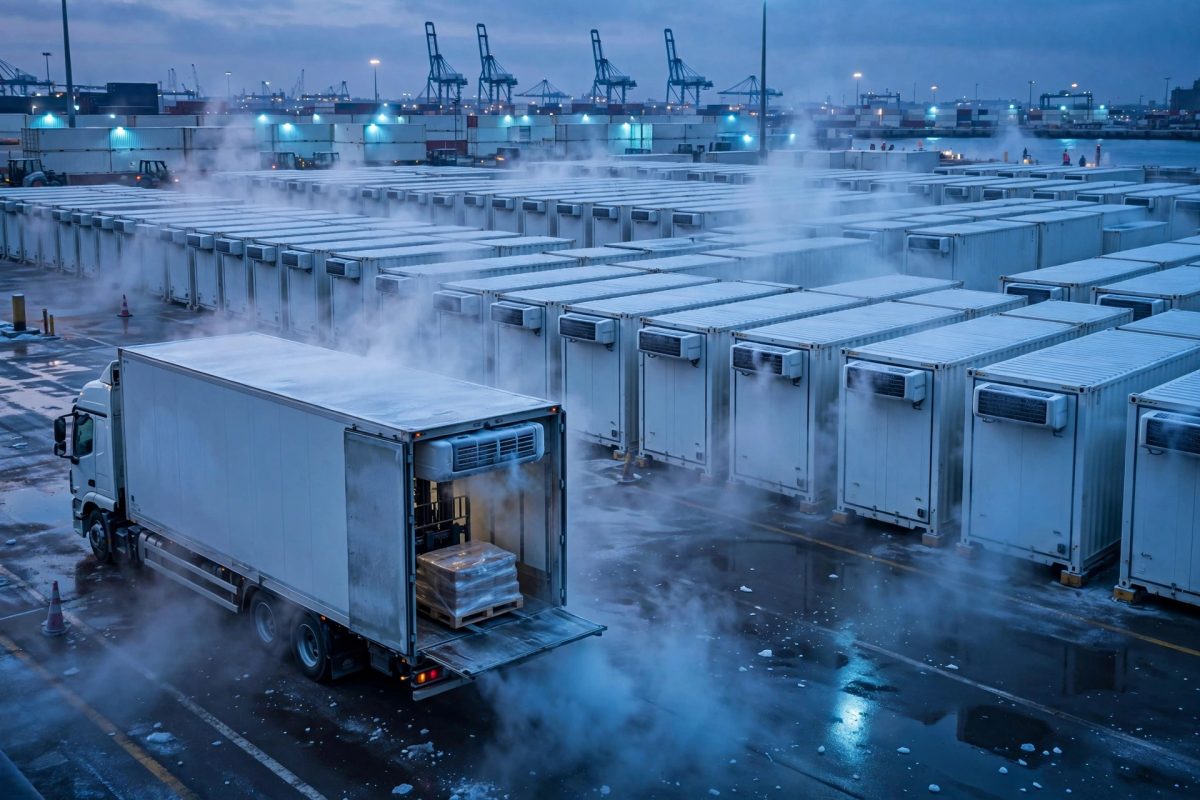
A cold chain is a logistics system that keeps goods at a stable, continuously controlled temperature from the shipper’s warehouse to the receiver. This article explains the key links of a cold chain, common temperature ranges, typical risks and how to prevent them.
14
Oct
Oct
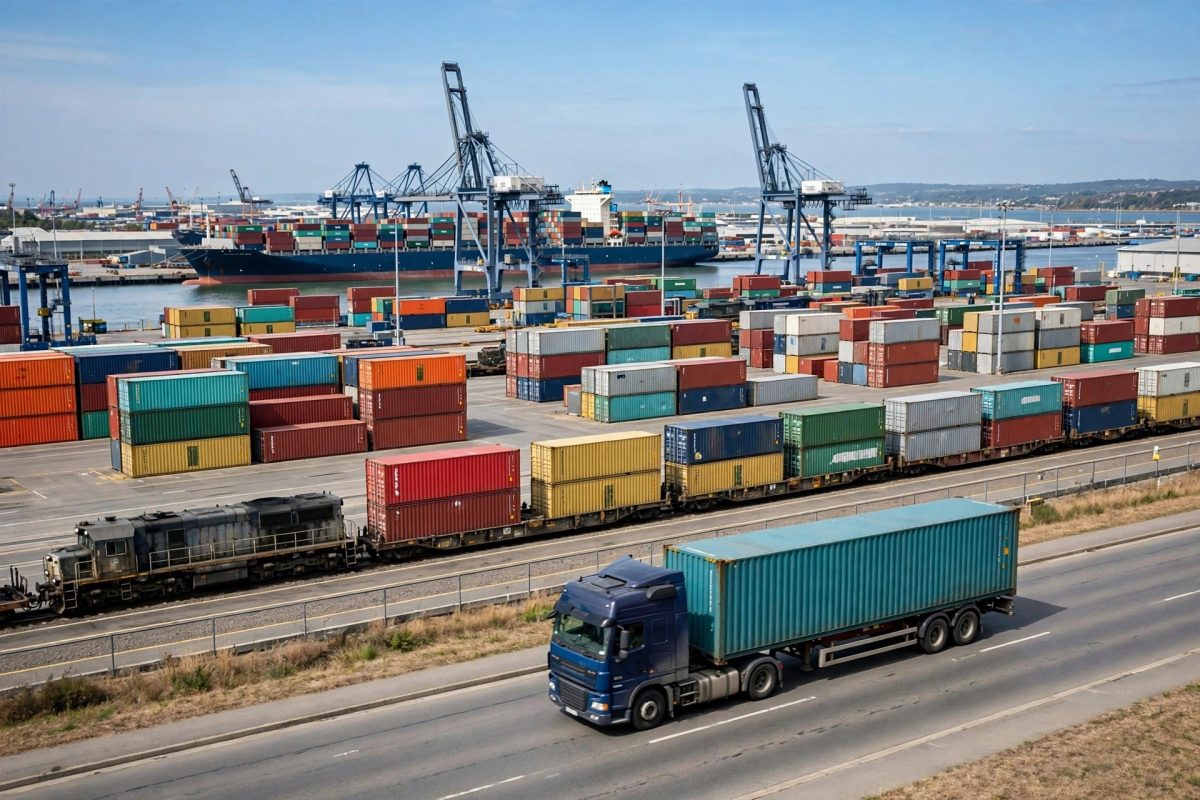
Multimodal transport combines at least two modes of transport under a single contract, helping businesses optimise cost, transit time and door-to-door journey management.
13
Oct
Oct
The Certificate of Origin (C/O) determines whether your business qualifies for preferential tariffs under free trade agreements. Learn the details of the 4 most common C/O forms: Form E, Form D, Form AK, and Form AJ.
12
Oct
Oct
The HS Code is the WCO’s international goods classification system. This article explains its structure, 5 steps to look it up correctly, and common declaration mistakes.