
 中文 (中国)
 Tiếng Việt
 日本語
 한국어

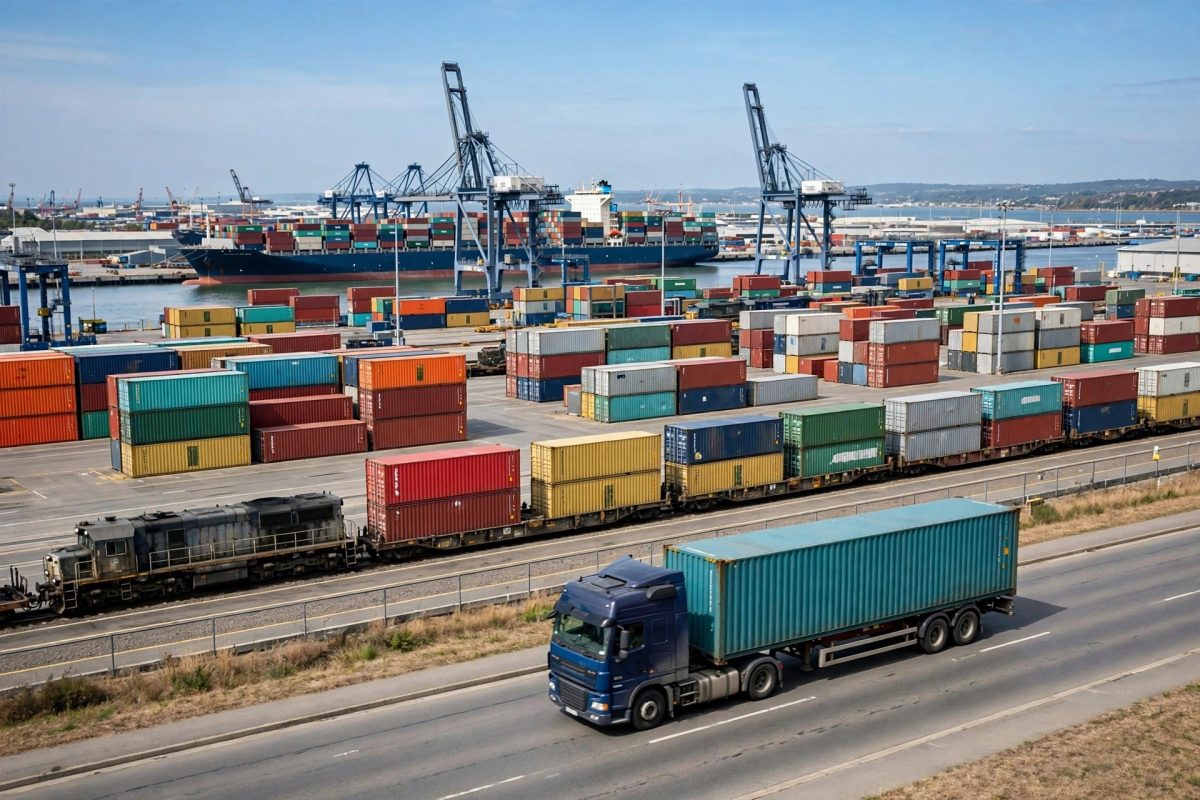
In the modern supply chain, very few shipments travel from factory to consignee using a single mode of transport. A container may leave the factory by truck, cross the ocean on a vessel, and then continue by rail or truck to its final warehouse. Organising such a combined journey is known as multimodal transport — a model that is becoming increasingly common in international trade and domestic logistics.
1. What is multimodal transport?
Multimodal transport is the carriage of goods using at least two different modes of transport — for example sea, air, road, rail or inland waterway — under a single transport contract, with a Multimodal Transport Operator (MTO) responsible for the entire journey.
Its most important feature is unified responsibility. Even though the cargo passes through several legs and vehicles, the shipper deals with a single point of contact, receives a single transport document and is covered by one liability regime throughout the journey. This makes management, tracking and problem-solving far simpler than signing separate contracts with each carrier.
Multimodal transport should be distinguished from intermodal transport. In intermodal transport, cargo also moves across several modes, but the shipper signs a separate contract with each carrier for each leg. In multimodal transport, the whole journey is consolidated into one contract coordinated by the MTO.
2. Common mode combinations
Depending on the route, the type of cargo and time requirements, modes can be combined flexibly, for example:
- Sea + road: the most common combination in import and export; the vessel handles the long haul, while trucks collect and deliver the final leg.
- Sea + rail: suitable for destinations deep inland, where rail moves large volumes steadily.
- Air + road: for urgent cargo, with the aircraft covering the main leg and trucks handling the first and last legs.
- Rail + road: widely used in international through transport and domestic distribution.
- Inland waterway + road or rail: making use of river and canal systems to relieve pressure on roads in some regions.
In most cases, the container remains the transport unit throughout, so cargo does not need to be unloaded and reloaded when switching modes, which reduces the risk of damage and loss.
3. Benefits of multimodal transport
- Optimised cost and transit time: each leg uses the most suitable mode, instead of forcing the whole journey onto a single mode. Long hauls by sea or rail are often more economical, while short legs by road are more flexible.
- Door-to-door delivery: the shipper receives an end-to-end service from pick-up point to delivery point, without coordinating each leg itself.
- Less handling, lower damage risk: cargo stays inside the container when changing modes, limiting manual handling.
- Simpler management: one point of contact, one document, and one process for tracking and exception handling.
- Greater flexibility and contingency: if one leg is disrupted, the MTO can rearrange alternatives within the framework of the overall contract.
- Support for more sustainable transport: increasing the share of rail and inland waterway on suitable legs can help reduce emissions per unit of cargo compared with an all-road solution.
4. Challenges to keep in mind
Despite its benefits, multimodal transport demands serious management. Coordinating multiple vehicles, parties and transhipment points requires careful planning and close monitoring. If transfer time between legs is not calculated carefully, it can extend the total transit time.
Another challenge is the liability and legal framework. Each mode has its own legal regime and liability limits, while a multimodal journey needs a unified mechanism. Shippers should therefore read the contract terms carefully, especially the scope of the MTO’s liability, compensation conditions and cargo insurance requirements.
Infrastructure is also decisive. Not every port, rail terminal or logistics centre has the capacity to receive, store and transfer containers efficiently. Choosing the right route and transhipment points matters greatly for delivery schedules.
5. When should a business choose multimodal transport?
- The cargo must travel a long distance, combining an international leg with domestic legs.
- The pick-up or delivery point is far from the seaport, airport or main rail terminal.
- The business wants to balance cost and time, rather than choosing the fastest but most expensive option or the cheapest but slowest one.
- The business imports or exports regularly and wants to simplify processes and reduce the number of contacts it must manage.
- The shipment needs to stay in one container throughout to limit handling and protect the cargo.
6. What to check before signing a contract
- Capability of the MTO: experience on the relevant route, partner network and ability to handle disruptions.
- Transport document: confirm the type of document issued, the information it carries and whether it can be used for payment and customs procedures.
- Committed transit time: the schedule for each leg, transfer times and the notification mechanism in case of delay.
- Cargo insurance: insurance coverage across the whole journey and each party’s responsibility in case of loss.
- Tracking capability: whether the business can follow the location and status of the shipment on each leg.
- Fit with the delivery terms: the transport solution must match the Incoterms agreed with the trading partner, to avoid misunderstandings about the transfer of risk and costs.
Multimodal transport is not the cheapest solution for every shipment, but it fits how global trade actually works: goods pass through many countries, vehicles and transhipment points. When well planned and coordinated by a capable partner, this model helps businesses control costs while keeping delivery schedules and supply-chain stability.
