
 中文 (中国)
 Tiếng Việt
 日本語
 한국어

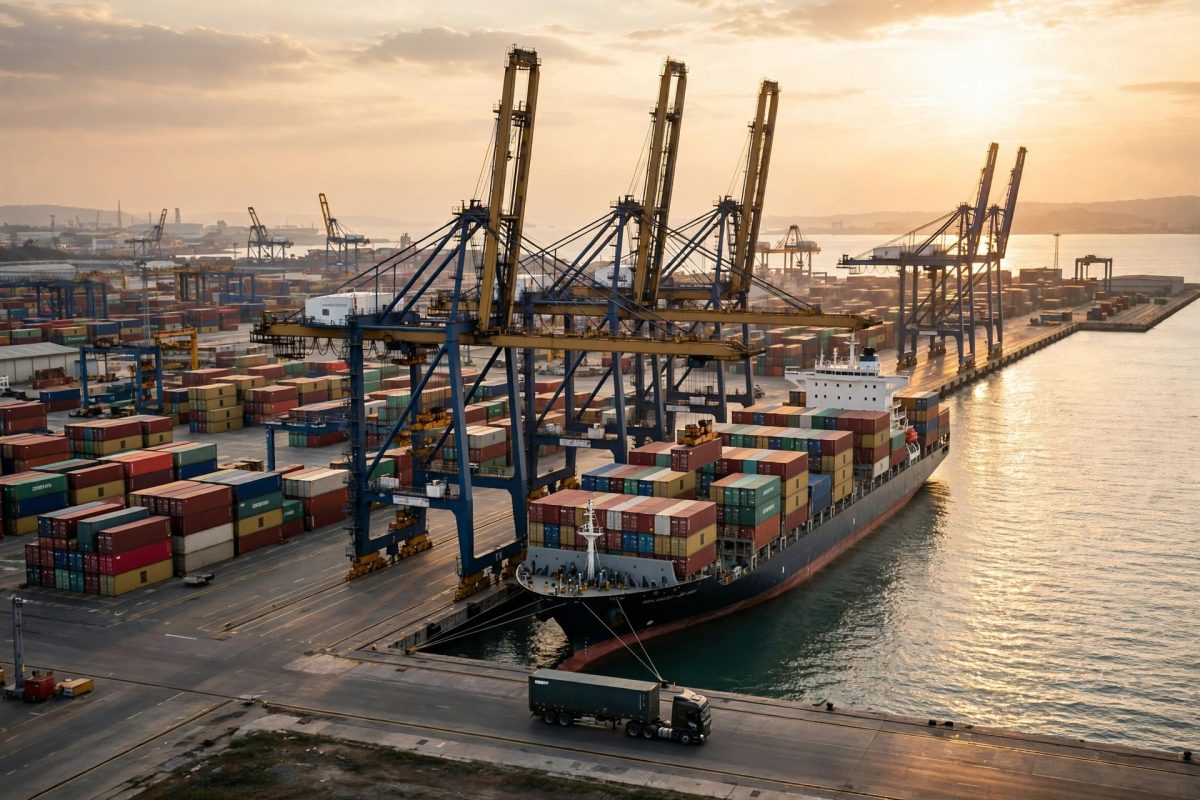
In ocean container shipping, few charges hurt importers and exporters more than demurrage and detention. These charges apply when a container is held beyond the free time allowed by the carrier, and a delay of just a few days can push costs up significantly. The unfortunate part is that many businesses only truly understand the two terms after the invoice arrives. This article explains the difference between demurrage and detention, why the charges arise, and what businesses can do to avoid them.
What is demurrage?
Demurrage is the charge for keeping a container at the port or container terminal after the free time allowed by the carrier for unloading and removing the container from the port has expired. For import cargo, the demurrage clock starts when the container is discharged at the port and stops when the container leaves the port. For export cargo, demurrage arises when a container has been delivered to the yard to await loading but the vessel is delayed or the schedule changes.
In other words, demurrage is about a container occupying space at the port. Both the port and the carrier want containers to move quickly to free up yard space, so the charge usually rises with each additional day overdue — the longer the container stays, the higher the fee.
What is detention?
Detention, also called the container detention charge outside the port, applies when a business has taken a container out of the port but returns the empty container later than the allowed free time. This period covers transporting the container to the warehouse, unloading the goods, and returning the empty container to the carrier’s designated depot.
The key difference: detention has nothing to do with the port yard; it concerns a container that is outside the carrier’s control. The carrier charges because its container cannot be turned around to serve another shipment. Detention is common when unloading at the warehouse is slow, trucks are in short supply, or the business has not arranged a schedule to return the empty container.
Demurrage vs. detention
The two charges are alike in that both are calculated per day overdue and both relate to free time, but they differ in several respects:
- Where the charge arises: demurrage arises while the container is still inside the port or container terminal; detention arises after the container has left the port.
- Who charges it: demurrage is usually charged by the carrier or the port; detention is charged by the carrier.
- Typical causes: demurrage is typically caused by slow customs clearance, missing documents, port congestion, or vessels arriving in clusters; detention is typically caused by slow unloading at the warehouse, a shortage of transport, or a late return of the empty container.
- How it is calculated: both are charged per day, with rates rising the longer the delay.
One practical note: many carriers combine demurrage and detention into a single “combined free time” — the total number of free days for both stages. In that case, a business must track both milestones at once, because days saved at the port can offset days spent unloading at the warehouse, and vice versa.
Why do demurrage and detention charges arise?
The most common cause is delay in customs clearance: missing or inconsistent documents, declarations assigned to inspection channels, or goods requiring sector-specific permits. Every day spent waiting at the port can turn into demurrage.
Other frequent causes include port congestion in peak season, late vessel arrivals or schedule changes, warehouses not ready to receive goods, and a shortage of trucks to move containers out of the port. Sometimes the cause is simpler: the business does not know exactly when free time expires because the information is scattered across the carrier, the forwarder, and the port.
How to avoid and reduce the charges
- Know the free time when booking: ask the carrier or forwarder clearly about the free days for demurrage and detention, and when the clock starts and ends. Record these milestones in the tracking schedule for each shipment.
- Prepare documents before the vessel arrives: check the contract, invoice, packing list, bill of lading, and certificate of origin; declare customs early so an inspection channel does not catch the business unprepared.
- Arrange the warehouse and transport in advance: book trucks and unloading staff before the vessel arrives, and make sure the warehouse has enough space and equipment to unload quickly.
- Negotiate free time with the carrier: businesses with stable volumes can ask the carrier to extend the free time or apply a more flexible combined free time.
- Track shipments in real time: work closely with the forwarder to stay updated on vessel schedules, clearance status, and container locations, and act promptly at the first sign of delay.
- Return empty containers on time and to the right place: confirm the empty return depot with the carrier in advance and schedule the return immediately after unloading, so the container does not sit at the warehouse.
Once charges have already arisen, a business can still work with the carrier or forwarder to request a partial waiver, especially when the delay was beyond its control — for example, port congestion or a vessel schedule change. That does not always succeed, however, so prevention remains the most effective approach.
Demurrage and detention are not unavoidable costs of ocean shipping — they are the cost of delay. Businesses that manage documents, schedules, and free time well rarely pay either charge. As supply chains grow more volatile, the ability to track each shipment closely and coordinate smoothly with the forwarder, carrier, and warehouse is the advantage that keeps logistics costs under control.
