
 中文 (中国)
 Tiếng Việt
 日本語
 한국어

When a business files an electronic customs declaration through the VNACCS/VCIS system, the declaration is automatically assigned to one of three lanes: green, yellow or red. The lane colour decides whether the goods are cleared immediately or must go through additional document checks or a physical inspection. Understanding this mechanism helps businesses plan time and costs and respond proactively when a declaration does not fall into the green lane.
What is declaration channelling?
Channelling is the customs authority’s automatic risk classification for each declaration. The system scores risk based on several criteria, such as the company’s compliance history, the type of goods, the HS code, the country of origin, the declared value, the shipping route and the frequency of import and export activity, and then assigns the corresponding lane. A business cannot choose its own lane; the channelling result appears as soon as the declaration has been successfully registered.
Green lane — immediate clearance
A green-lane declaration is exempt from both document checks and physical inspection of the goods. The business only needs to settle any tax obligations, and the goods are cleared. This is the lane every business hopes for, because it is the fastest and the least costly. The green lane is usually granted to companies with a good compliance record, ordinary goods and declaration dossiers that have been consistent across many shipments.
Yellow lane — document check
When a declaration falls into the yellow lane, customs officers examine the dossier in detail: the declaration itself, the sales contract, the commercial invoice, the bill of lading, the certificate of origin (C/O) where applicable, and any relevant specialised permits. Officers check that the documents are consistent with each other and with the declaration. If the dossier is complete and consistent, the declaration is cleared without opening the container to inspect the goods. Processing is usually completed within the working day if the business has prepared its documents in advance. It is worth noting that a yellow lane does not mean the business has committed a violation — in many cases it is simply a random check, or because the goods are being imported for the first time.
Red lane — physical inspection of the goods
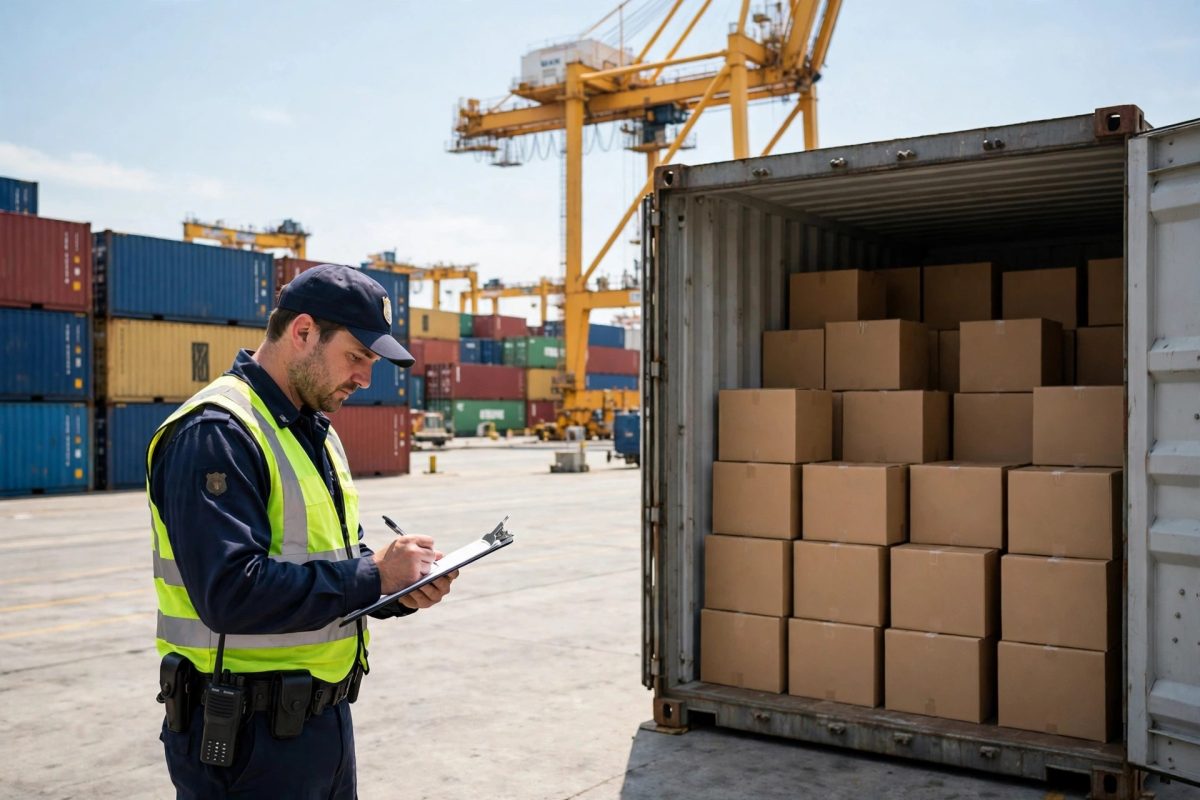
This is the strictest level of inspection. In addition to checking the documents, customs officers inspect the goods themselves: scanning with X-ray equipment and opening the container to examine part or all of the consignment. Physical inspection brings waiting time, container handling charges, yard storage fees and possibly warehousing fees if the process drags on. The business should send someone who knows the consignment well to be present at the inspection site, to help break the seal, verify the goods and avoid extra costs caused by delays.
Why is a declaration assigned to the yellow or red lane?
Common reasons include:
- The company is newly established, has no import-export history, or has previously breached customs regulations.
- The goods are subject to specialised management, are sensitive, carry a high duty rate, or belong to a product line with a history of fraud.
- A new HS code is being declared for the first time, or the supplier or shipping route has changed.
- The declared value differs significantly from the usual level for that type of goods.
- Previous dossiers contained errors or had to be amended several times after clearance.
- Random inspection, applied at a rate set by the system.
What can businesses do to increase their green-lane rate?
- Declare accurately and consistently: the HS code, value, origin and product name should agree across all documents and across declarations.
- Prepare the full dossier before filing: contract, invoice, bill of lading, C/O and specialised permits.
- Pay taxes on time and avoid overdue tax debts.
- Limit post-clearance amendments to declarations; when an amendment is needed, follow the prescribed procedure.
- Build a good compliance record over time — the system assesses the whole track record, not a single shipment.
- Work with an experienced customs broker or forwarder to review the dossier before the declaration is transmitted.
What should you prepare if you fall into the red lane?
- Have the original dossier and copies ready for verification when requested.
- Send staff who know the goods well to the inspection site at the appointed time.
- Check in advance that the seal condition, container number and seal number match the bill of lading.
- Allow extra time and budget for yard storage and handling charges in the delivery plan for the customer.
- After clearance, note down the reason for the inspection so lessons can be applied to the next shipment.
Customs channelling is not a punishment but a risk-management tool. Businesses that declare honestly, prepare complete dossiers and maintain good compliance over time will gradually enjoy the green lane more often — which means faster clearance, lower costs and a more reliable delivery schedule.
