
 中文 (中国)
 Tiếng Việt
 日本語
 한국어

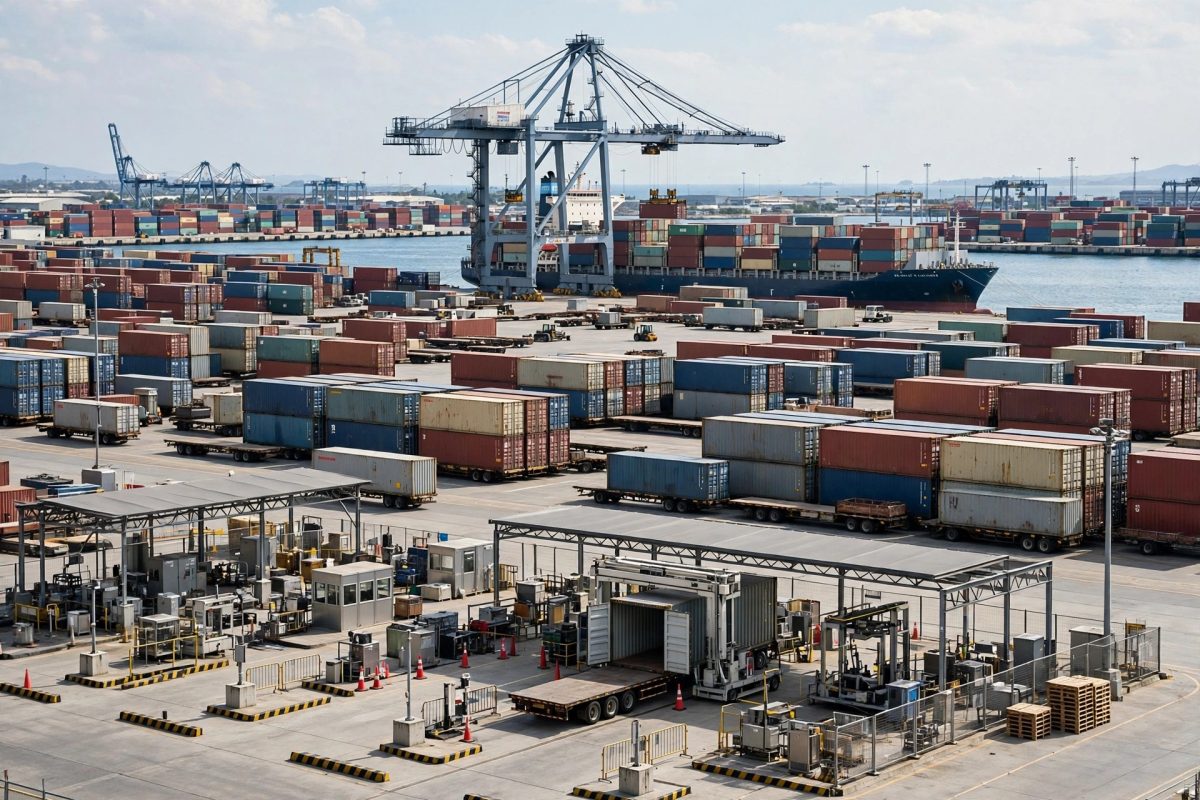
For importers and exporters, clearance time directly affects vessel schedules, storage costs, and delivery credibility with partners. Since VNACCS came into operation, most customs procedures in Vietnam have moved to an electronic environment, making the process faster, more transparent, and less dependent on paper documents. To benefit fully, however, businesses need to understand how the system works and prepare their documents correctly from the start.
What is VNACCS?
VNACCS is Vietnam’s Automated Cargo Clearance System, developed with technical support from Japan and operated together with the VCIS system. In simple terms, it is the electronic platform through which businesses submit customs declarations, customs authorities receive and process them and return results, and related agencies coordinate on the same data flow.
Instead of bringing paper files to a customs office and waiting for each step, businesses submit electronic declarations through declaration software. The system automatically checks, classifies, and returns results. Shipments are assigned to the green, yellow, or red channel depending on risk level, and businesses can track the status of their declarations throughout the process.
What are the steps in electronic customs procedures?
In general, an import or export shipment through VNACCS goes through the following steps:
- Document preparation: contract, commercial invoice, packing list, bill of lading, certificate of origin where applicable, and sector-specific permits for regulated goods.
- Electronic declaration: entering declaration data into the system, including the HS code, value, origin, mode of transport, and other shipment details.
- Channel assignment and processing: the system assigns channels automatically. Green-channel goods clear quickly, yellow-channel goods require document checks, and red-channel goods require physical inspection.
- Payment of duties and fees: businesses pay import and export duties and related charges through banks or electronic payment channels.
- Clearance and supervision: once obligations are fulfilled, goods are cleared and enter the customs-supervised area at the port, airport, or border gate for loading and onward transport.
Alongside the declaration, carriers and transport operators must also submit vessel and cargo information through the e-Manifest system, allowing customs to cross-check data before goods arrive. Consistency across these data sources is essential for smooth clearance.
Benefits for businesses
The clearest benefit of electronic customs is speed. Declarations can be submitted and processed outside office hours, reducing waiting time at border gates. Businesses can also proactively check declaration status instead of asking through multiple intermediaries.
Electronic data also reduces errors from manual entry and creates a clear audit trail for each transaction. When problems arise, businesses and customs can refer to the same dataset rather than debating different paper copies. Over time, this helps businesses build a good compliance record, an important factor when customs assesses a company’s risk level.
Common mistakes and how to avoid them
Although many steps are automated, human error remains a common reason declarations are held or amended. Frequent mistakes include:
- Wrong HS code: the HS code determines duty rates and regulatory treatment. An incorrect code can lead to additional duty assessments or delayed clearance.
- Inconsistent documents: information on the invoice, packing list, and bill of lading does not match in quantity, weight, or goods description.
- Missing sector permits: some goods require quality inspection, quarantine, or permits before clearance; late preparation can mean missing a vessel.
- Late declaration: submitting a declaration too close to departure leaves no time to handle requests for additional documents.
The most effective prevention is to cross-check documents before declaring, keep a complete file for each shipment, and work early with a customs broker or forwarder when a shipment has special characteristics.
What should businesses prepare?
First, a business needs a valid digital signature and an active electronic customs declaration account, with clear responsibilities assigned to the staff handling declarations. Next, it needs an internal workflow: who prepares documents, who checks them, who submits the declaration, and who follows up on results. For companies new to international trade, using an experienced service provider for the first shipments often costs far less than the expenses caused by errors.
Finally, customs data should be treated as part of business management, not merely a procedure for getting goods through the border. Clean and consistent data makes it easier to reconcile accounts, manage inventory, and work with overseas partners. As electronic procedures become the norm, companies that handle this well gain a clear advantage in supply chain speed and cost.
