
 中文 (中国)
 Tiếng Việt
 日本語
 한국어

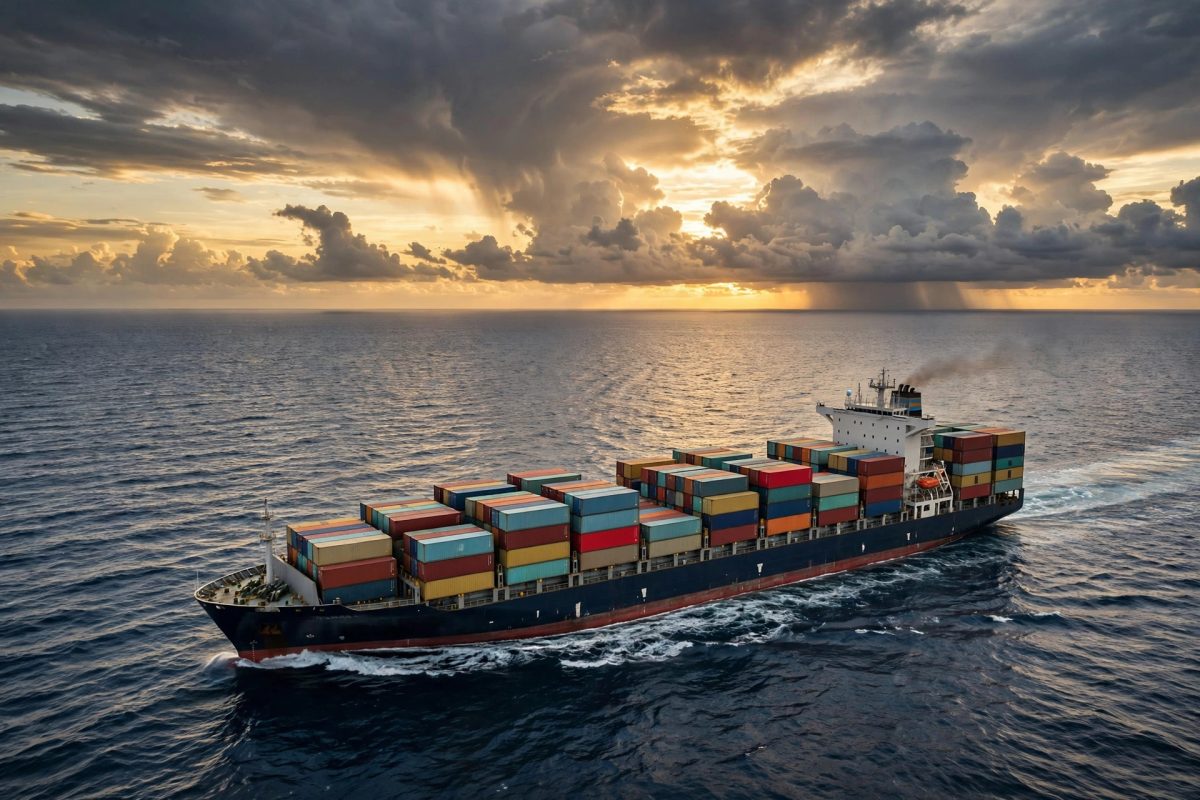
Sea freight is the most widely used mode of transport in international trade, thanks to its reasonable costs and the ability to move very large volumes in a single shipment. Yet the long voyage at sea exposes cargo to a wide range of hazards: storms, heavy waves, fire and explosion, sinking, stranding, theft, or damage caused by improper loading, unloading, and lashing. Because a single serious incident can wipe out the entire value of a shipment, marine cargo insurance has become an essential tool for importers and exporters to protect their finances — giving the policyholder a direct contractual right to compensation when cargo is lost or damaged.
Common cargo insurance clauses
Under international practice, marine cargo insurance is divided into three main clauses under the London market’s Institute Cargo Clauses (ICC):
Clause A – All Risks
The broadest form of cover, protecting against all risks of physical loss or damage to the cargo, except the exclusions expressly stated in the policy, such as inherent vice of the goods, insufficient packing, and prohibited cargo. It is the preferred choice for high-value shipments or goods that are easily damaged, and it can be extended with additional war and strikes clauses where needed.
Clause B
A medium level of cover, including the principal named risks such as fire, explosion, sinking, stranding, theft, and damage resulting from accidents during loading and unloading. Because the list of insured perils is narrower, premiums are usually lower than for Clause A, making it a balanced option for many standard shipments.
Clause C
The narrowest cover, applying only to major perils such as fire, explosion, sinking, and loss of the carrying vessel. It carries the lowest premium of the three and suits cargo of moderate value or goods less sensitive to damage, where the business mainly wants protection against catastrophic events.
When should you buy marine cargo insurance?
Not every shipment must be insured, but businesses should seriously consider cover in the following situations:
- The delivery terms place the risk on your side: Under Incoterms such as EXW, FOB, and CIF, risk transfers from seller to buyer at different points along the journey. Whichever party bears the risk during the sea leg should arrange the insurance, so review your trade terms carefully before each shipment.
- The shipment value is high: The higher the value of the cargo, the greater the financial loss if an incident occurs. For valuable consignments, insurance protects cash flow and profitability.
- The goods are fragile or perishable: Electronics, glassware, ceramics, frozen food, and similar products are sensitive to impact, vibration, temperature changes, and humidity during a long sea voyage.
- The route is long or involves multiple legs: Longer transit times and repeated handling increase the chance of something going wrong, from rough weather exposure to accidents at transshipment ports.
- The cargo is less-than-container load (LCL): Consolidated cargo shares a container with shipments from other shippers and undergoes more loading and unloading cycles, so the risk of damage or loss is higher than with a full container load (FCL).
- The contract or letter of credit (L/C) requires it: Many international trade contracts and L/C payment arrangements oblige the seller or buyer to take out cargo insurance, and proof of insurance is often one of the documents required for payment.
Practical notes when buying cargo insurance
- Declare the correct insured value: The insured value is normally the invoice value plus an agreed percentage, commonly 10 percent, to cover incidental costs and anticipated profit. Under-declaring the value will proportionally reduce any claim payment.
- Read the exclusion clauses carefully: Each insurance clause has its own list of exclusions. Understand exactly what is not covered so there are no surprises or disputes when a loss occurs.
- Notify losses promptly: As soon as loss or damage is discovered, notify the insurer without delay, preserve the scene as found, and keep all relevant documents, including the bill of lading, survey reports, and photographs of the damage.
- Choose a reputable insurer: Prefer insurance companies with proven marine expertise, a wide network of surveyors at ports around the world, and a transparent, efficient claims settlement process.
Conclusion
Marine cargo insurance is not merely a cost item; it is an investment that protects a company’s finances against the unpredictable risks of the sea. By identifying the right moment to buy and selecting the clause best suited to each shipment, businesses can trade with confidence and optimize their overall logistics costs.
Contact us
For advice on the right cargo insurance solution for your shipment, please contact: Hotline: +84-24-3266 6008 · Email: hanoi@vica.vn
